


7 Life-Changing Benefits of Custom Orthotics in 2026

July 21, 2026

Custom orthotics are specially designed medical devices that provide structural support, correct biomechanical imbalances, and alleviate pain by aligning the feet and ankles. Unlike generic over-the-counter inserts, these personalized solutions are tailored to your unique foot anatomy to improve mobility and prevent long-term injury effectively.

What Are the Key Benefits of Custom Orthotics?

The benefits of custom orthotics extend far beyond simple comfort; they are a fundamental tool for restoring your natural gait and protecting your body’s foundation! When you choose custom-made inserts, you are investing in a medical-grade solution that addresses the specific nuances of your feet. These devices work by redistributing pressure across the entire surface of your foot, which is essential for anyone suffering from high arches or flat feet . By providing a stable base, custom orthotics ensure that every step you take is efficient and pain-free.

One of the most incredible advantages is the way they accommodate your specific lifestyle. Whether you are a busy professional on your feet all day or an athlete pushing for a new personal record, custom orthotics are engineered to withstand the unique stresses you place on your lower extremities. They don’t just "cushion" the foot; they actively guide it into a more neutral position. This corrective action can significantly reduce the strain on your ligaments and tendons, preventing common issues from escalating into chronic conditions.

Key advantages of choosing personalized orthotics include:

  • Superior biomechanical correction tailored to your gait
  • Significant reduction in daily foot and leg fatigue
  • Enhanced shock absorption for high-impact activities
  • Targeted pressure relief for sensitive areas or calluses
  • Long-term durability compared to retail alternatives
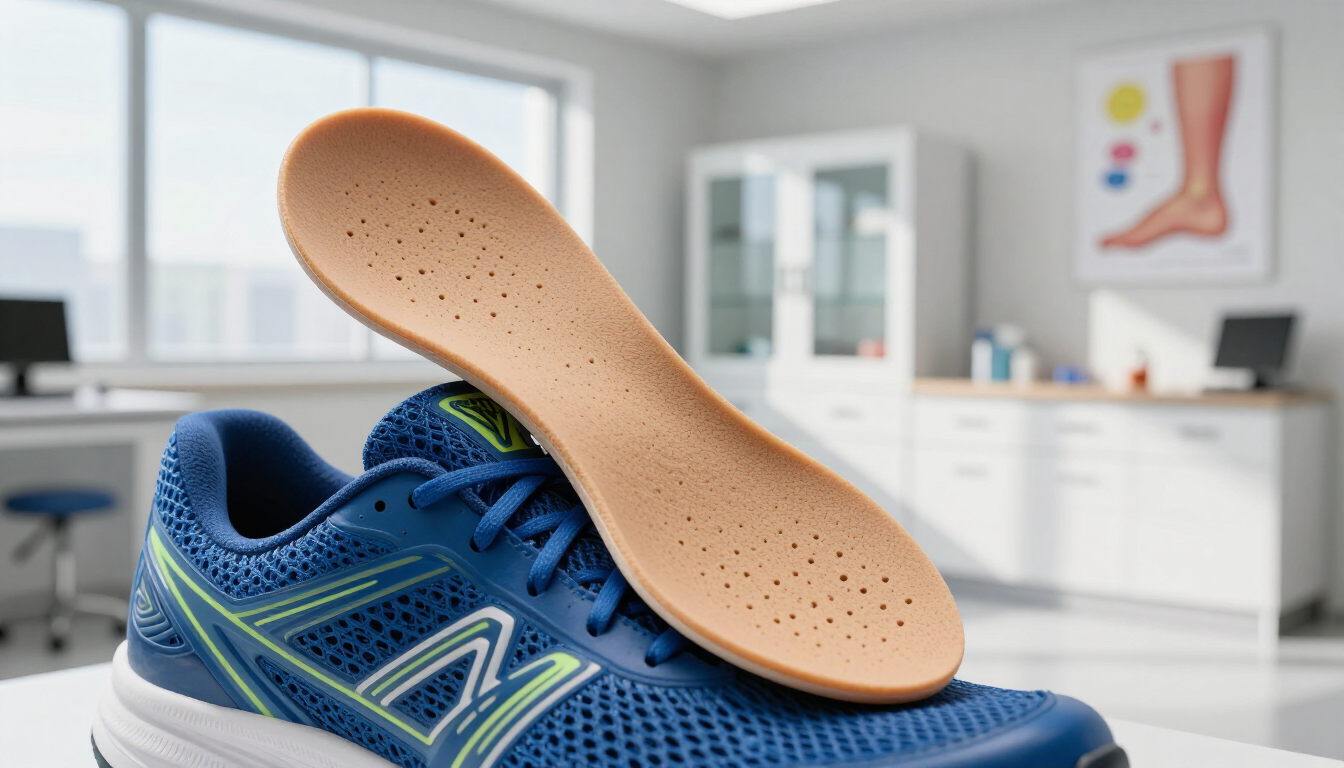
Custom orthotic insert being placed into a shoe

How Do Custom Orthotics Differ from Store-Bought Inserts?

It is absolutely vital to understand the difference between "custom" and "customized." While many drugstores offer kiosks that suggest certain inserts, these are still mass-produced items designed for the "average" person—and we know your feet are anything but average! Custom orthotics, like those provided at Missouri Foot & Ankle, are manufactured from a high-resolution 3D scan or a physical mold of your foot. This ensures a precision fit that a store-bought insert simply cannot match.

Retail inserts are often made from soft, generic materials that provide a temporary sense of comfort but lack the structural integrity to provide real correction. In contrast, custom orthotics are crafted from high-quality polymers, carbons, and specialized foams that maintain their shape and function for years. Furthermore, a podiatrist-prescribed orthotic is designed after a comprehensive clinical evaluation. This means we aren't just looking at the shape of your foot, but also how your ankles, knees, and hips move in coordination. This holistic approach ensures that the orthotic solves the root cause of your discomfort rather than just masking the symptoms.

Enhancing Athletic Performance with Tailored Support

For the athletes in the St. Louis area, custom orthotics are a total game-changer! When you are running, jumping, or pivoting, your feet absorb several times your body weight in force. If your foot mechanics are even slightly off, that force isn't distributed correctly, leading to sports injuries like shin splints, stress fractures, or Achilles tendonitis . Custom orthotics provide the precise alignment needed to optimize energy transfer, making you more efficient and powerful in your movements.

By stabilizing the subtalar joint and supporting the midfoot, these inserts allow your muscles to work more effectively. You’ll find that you have better balance and a more responsive feel during high-intensity training. Many of our patients report that they can train longer and recover faster because their joints are no longer fighting against poor alignment. Whether you are dealing with metatarsal stress fractures or just want to prevent them, custom support is the ultimate proactive strategy for any active individual.

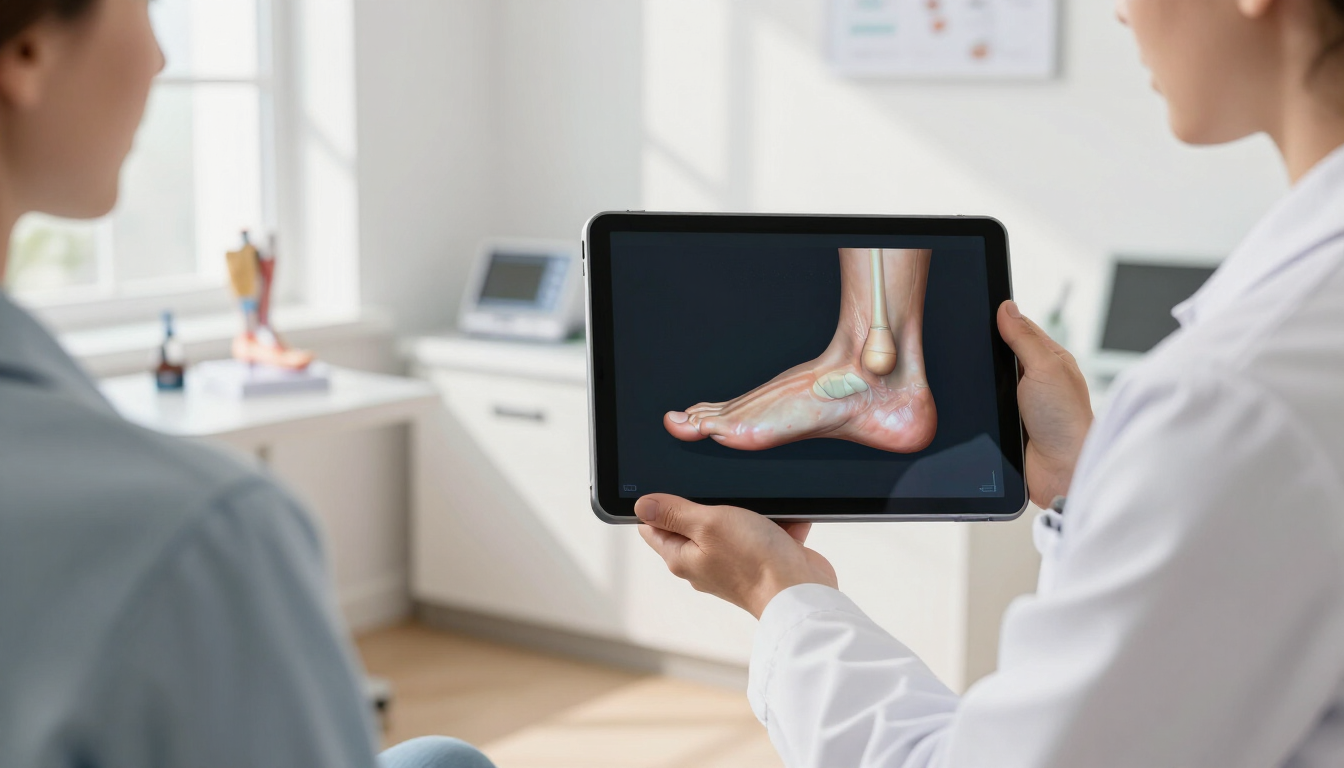
Podiatrist showing a digital scan of a foot

Can Custom Orthotics Relieve Plantar Fasciitis and Chronic Pain?

Yes, absolutely! Custom orthotics are one of the most effective conservative treatments for chronic heel pain and plantar fasciitis . Plantar fasciitis occurs when the thick band of tissue across the bottom of your foot becomes inflamed, often due to excessive stretching or lack of support. Custom orthotics are designed to take the tension off this tissue by supporting the arch and controlling the inward rolling of the foot (overpronation). This allows the inflammation to subside and the tissue to heal properly.

Patients struggling with other chronic issues, such as bunions or metatarsalgia , also see incredible improvements. While orthotics cannot "cure" a bunion, they can slow its progression by correcting the mechanical forces that push the toe out of alignment. For those with neuromas , we can add specific "metatarsal pads" into the custom design to spread the bones and relieve pressure on the pinched nerves. It is truly transformative to see patients walk out of our office with a level of comfort they haven't felt in years!

When managing chronic pain, custom orthotics provide:

  • Immediate relief from sharp morning heel pain
  • Reduced inflammation in the plantar fascia ligament
  • Correction of gait issues that lead to calluses and corns
  • Stabilization for those suffering from ankle instability
  • Support for structural issues like Adult Flat Foot

Achieving Better Posture and Alignment from the Ground Up

Your feet are the foundation of your entire skeletal system. When that foundation is unstable, the rest of the building—your body—suffers! Many people are surprised to learn that their chronic lower back, hip, or knee pain is actually originating from their feet. If your feet roll inward or outward excessively, your legs must rotate to compensate, which places a twisting strain on your knees and tilts your pelvis. This misalignment travels all the way up your spine, affecting your posture and leading to muscle fatigue and joint wear.

Custom orthotics act as a corrective wedge that re-aligns the entire kinetic chain. By holding the foot in the "subtalar neutral" position, they ensure that the ankles are straight, the knees are tracking correctly over the toes, and the hips are level. This alignment is essential for long-term joint health and can even help manage the symptoms of arthritis . When your body is properly aligned, you move with more grace, expend less energy, and experience significantly less wear and tear on your major joints. It’s a holistic improvement that starts with your very first step each morning!

Why Choose Custom Orthotics for Diabetic Foot Health?

For individuals living with diabetes, foot care is a top priority, and custom orthotics play a life-saving role in wound care and prevention. Diabetic patients often suffer from peripheral neuropathy, which means they may not feel small injuries or high-pressure areas on their feet. These "hot spots" can quickly turn into a diabetic foot ulcer if not managed correctly. Custom orthotics for diabetic patients are designed with specialized, soft-tissue-friendly materials that provide maximum "off-loading."

Off-loading is the process of moving pressure away from vulnerable areas or existing ulcers to allow them to heal. Our team at Missouri Foot & Ankle often pairs these custom inserts with diabetic shoes to provide a comprehensive protective environment for the foot. This proactive approach is essential for limb preservation and maintaining an active, healthy lifestyle. By distributing weight evenly and reducing friction, custom orthotics significantly lower the risk of complications that could lead to serious infections or surgery.

A person walking comfortably on a city path

Summary of the Benefits of Custom Orthotics

In conclusion, the benefits of custom orthotics are vast, ranging from immediate pain relief for conditions like heel spurs to long-term postural correction and injury prevention. These medical devices are far more than just "insoles"; they are a personalized health investment designed by experts to help you move better and live without the limitations of foot pain. By addressing your unique biomechanics, custom orthotics provide the stability, support, and comfort that generic options simply cannot replicate.

Takeaway Highlights:

  • Precision Fit: Tailored specifically to your foot’s unique 3D structure.
  • Pain Relief: Effective for plantar fasciitis , neuromas, and arthritis.
  • Injury Prevention: Corrects biomechanics to protect knees, hips, and the lower back.
  • Performance: Boosts athletic efficiency and reduces fatigue.
  • Diabetic Protection: Essential for off-loading pressure and preventing ulcers.

If you're ready to experience the life-changing support of custom orthotics, the team at Missouri Foot & Ankle is here to help! Contact us today at one of our many locations, such as the St Louis Office or Arnold Office , to schedule your comprehensive gait analysis and start your journey toward pain-free movement!

Summer foot care tips for healthy feet in the heat.
June 18, 2026
Stay active and pain-free this season! Missouri Foot & Ankle shares essential summer foot care tips to prevent swelling, infections, and common foot pain.

By VIV Builder April 9, 2026
Stay active and pain-free this Foot Health Awareness Month. Learn about heel pain, orthotics, diabetic foot care, and sports injury treatment options.

By VIV Builder April 1, 2026
Achilles tendonitis can develop gradually, causing heel pain and stiffness that worsens over time. Learn the warning signs and how a podiatrist can help you get back on your feet.
By VIV Builder March 5, 2026
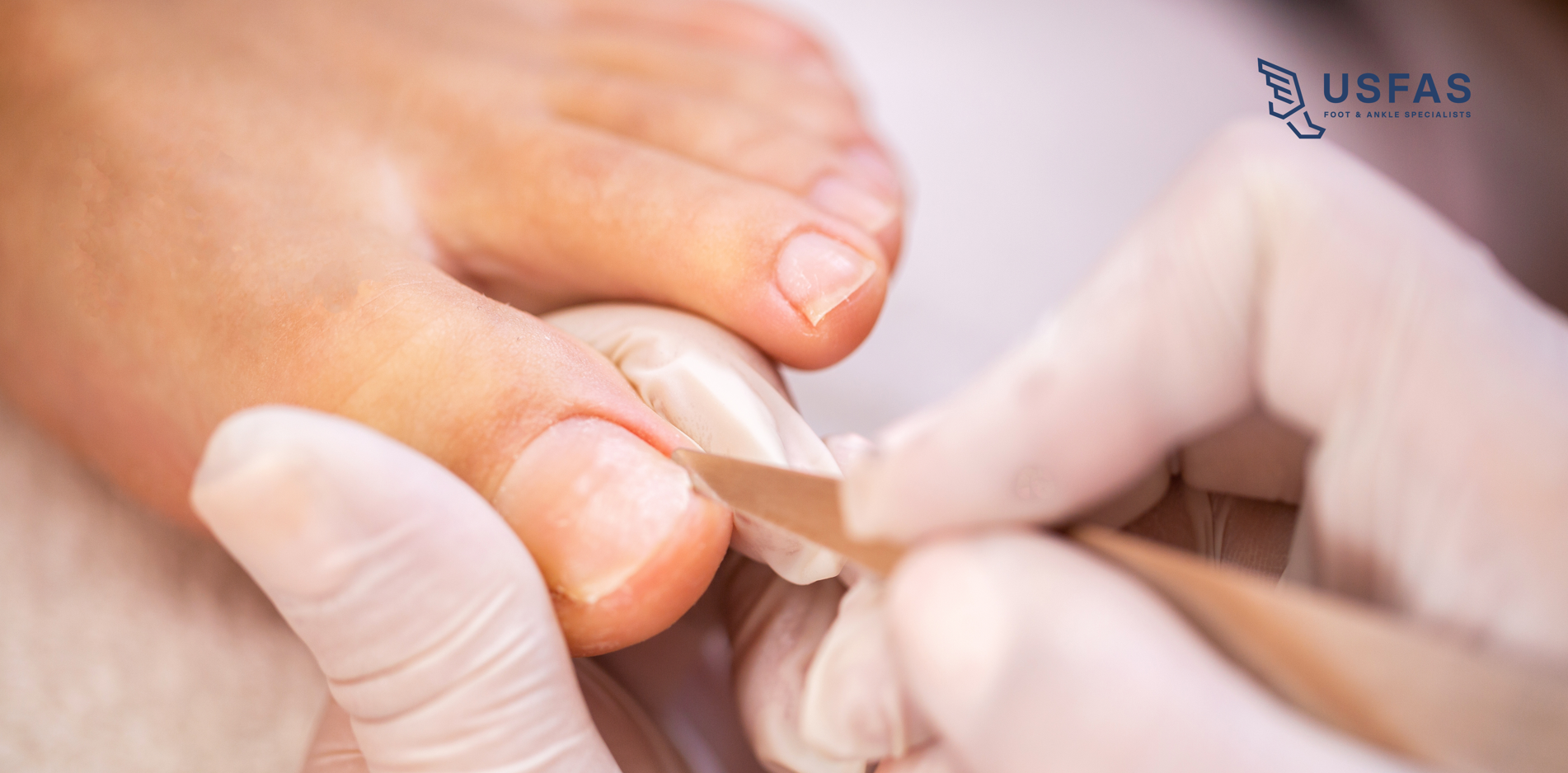
Ingrown toenails are a common foot condition that can start as a minor irritation and quickly become painful. Learn more about how we can help with ingrown toenails.
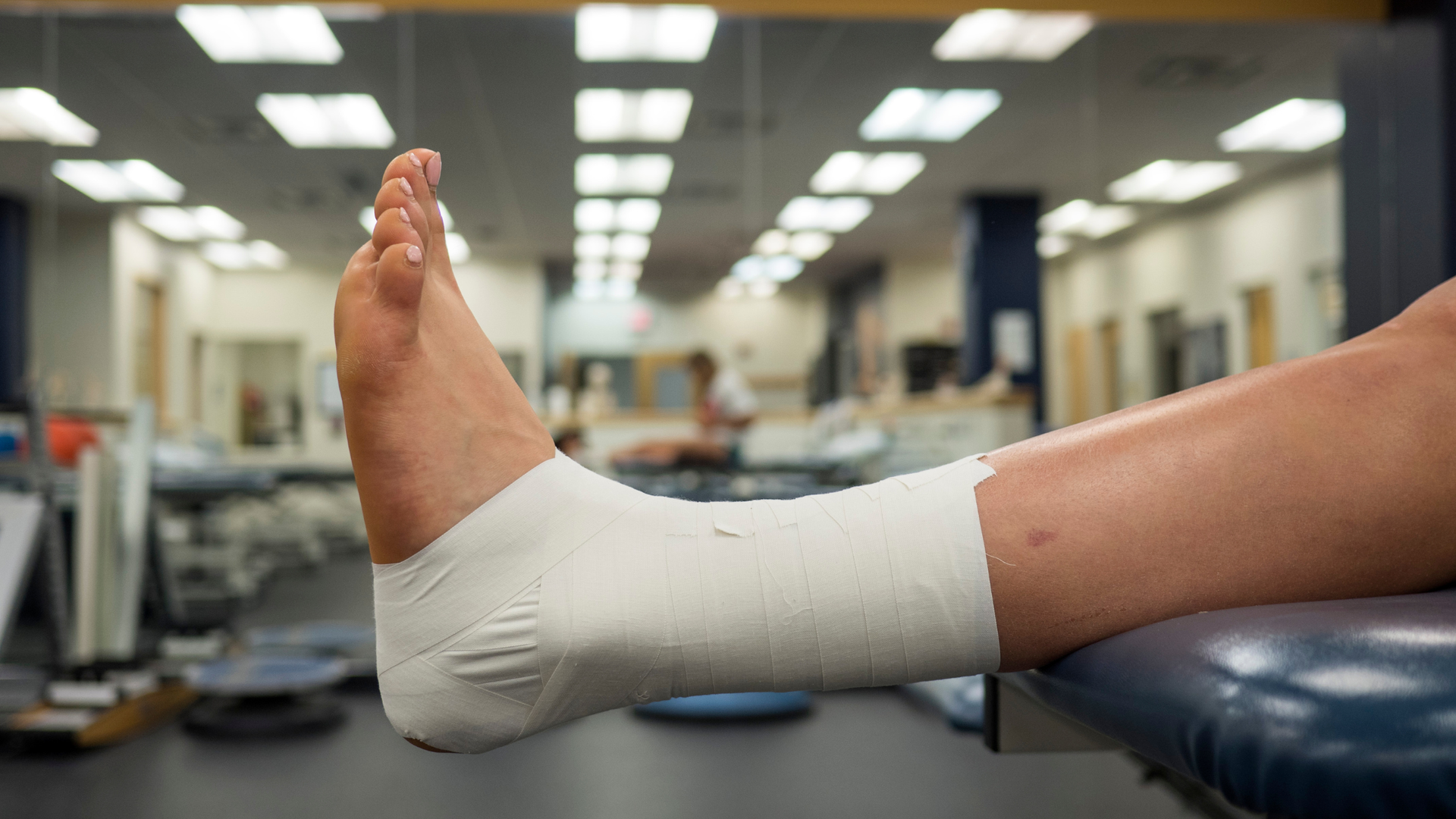
Don't Ignore Ankle Sprains
By VIV Builder February 19, 2026
Ankle sprains are one of the most common foot and ankle injuries, yet they're often brushed off as no big deal. The truth is, even a mild sprain deserves proper care.
Show Your Feet Some Love This February
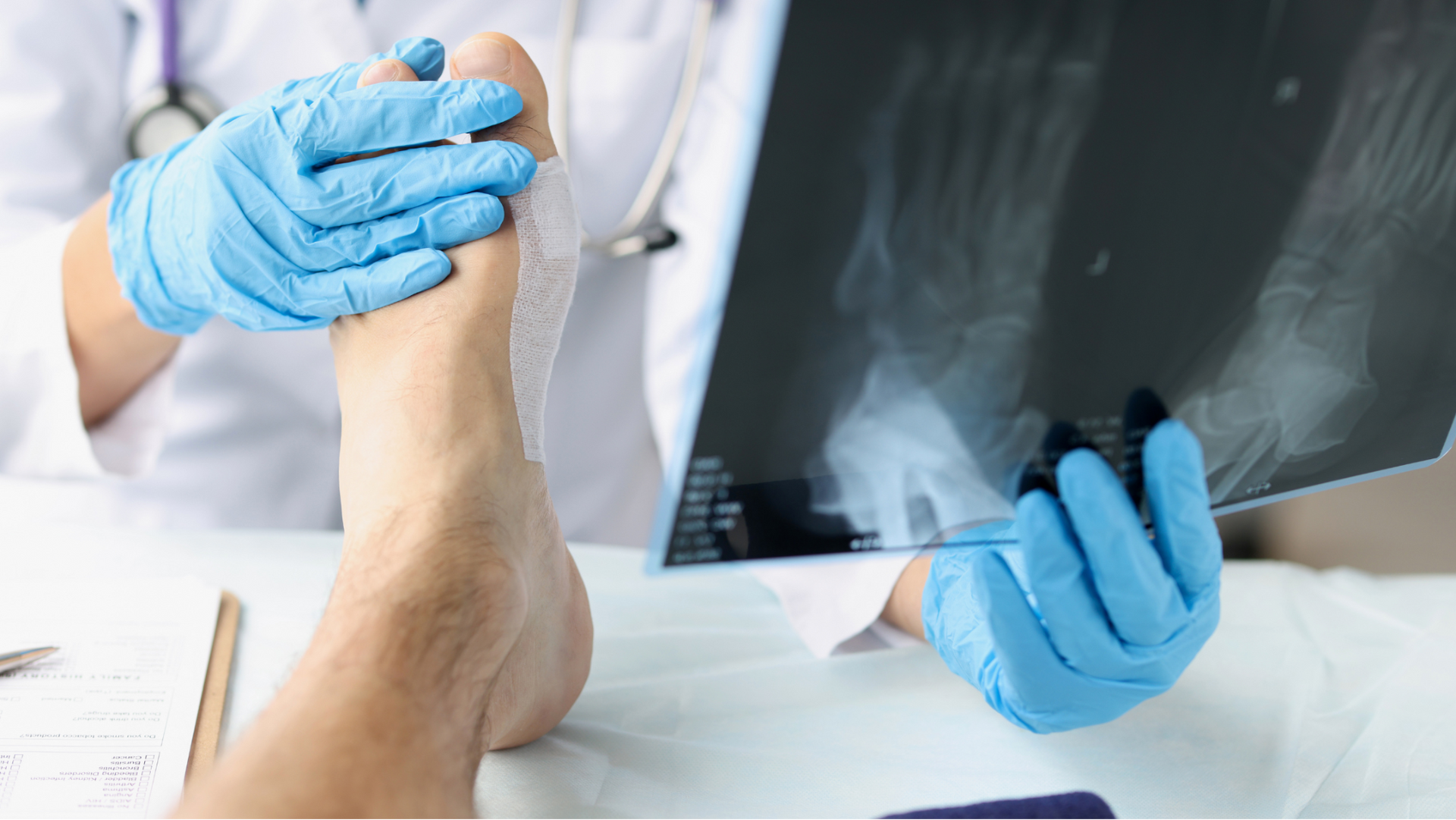
By VIV Builder February 5, 2026
Show Your Feet Some Love This February
What is a Podiatrist?
By VIV Builder January 23, 2026
Understanding Podiatry Many people experience foot or ankle pain at some point, but they are not always sure where to turn for care. A podiatrist is a medical doctor who specializes in diagnosing and treating conditions of the foot and ankle. Their goal is to help patients move comfortably, stay active, and avoid pain that interferes with daily life. Podiatrists receive specialized medical training focused entirely on the feet and ankles. Because these areas support the entire body, even minor issues can have a big impact if left untreated. What Conditions Do Podiatrists Treat? Podiatrists treat a wide range of foot and ankle conditions for patients of all ages. From common concerns like heel pain and ingrown toenails to more complex issues such as sports injuries and diabetic foot conditions, podiatrists are trained to handle both routine and advanced care. They also address structural problems, skin and nail conditions, and injuries that affect mobility. By identifying the root cause of foot or ankle pain, podiatrists help patients find long-term relief rather than temporary fixes. When Should You See a Podiatrist? Foot pain is not something you have to live with. If you notice ongoing discomfort, changes in how you walk, or issues with your toenails or skin, it may be time to see a podiatrist. Early care can help prevent small problems from becoming more serious and can reduce recovery time. Patients with diabetes should also see a podiatrist regularly to help prevent complications and maintain foot health. What to Expect During Your Visit During a podiatry appointment, your provider will take time to understand your symptoms and lifestyle. They will examine your feet and ankles and may recommend imaging or other tests if needed. Based on their findings, they will create a personalized treatment plan tailored to your needs. Many podiatry treatments can be done in the office, allowing patients to return to normal activities quickly. Why Foot Health Matters Your feet play a major role in your overall health. Ongoing foot or ankle pain can lead to posture changes and strain on the knees, hips, and lower back. Proper foot care helps keep your entire body moving the way it should. Seeing a podiatrist is an important step in maintaining mobility and preventing future problems. Take the Next Step Toward Better Foot Health If foot or ankle pain is affecting your daily life, a podiatrist can help. With the right care and treatment, many conditions can be managed or resolved. Scheduling an appointment with a podiatrist is a simple step that can make a lasting difference in your comfort and mobility.
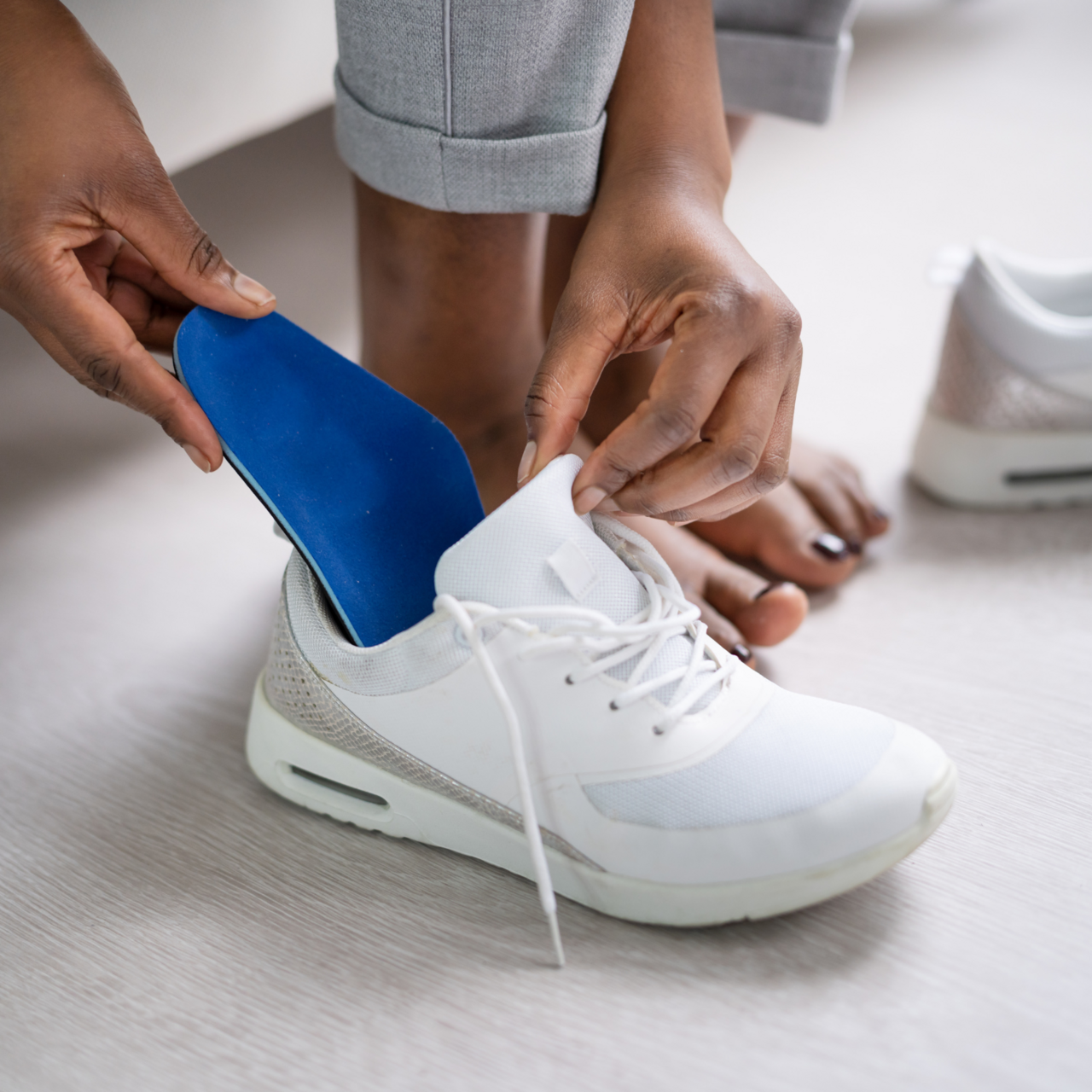
Custom Orthotics
By VIV Builder July 17, 2025
Your feet are the foundation of your entire body — when they’re not properly supported, it can lead to pain not just in your feet, but in your ankles, knees, hips, and back, too. That’s where custom orthotics come in!  What Are Custom Orthotics? Custom orthotics are medical-grade shoe inserts that are specifically designed for your unique feet, gait, and needs. Unlike over-the-counter insoles, custom orthotics are crafted based on a detailed assessment by your podiatrist, ensuring the perfect fit and support for your lifestyle. Who Can Benefit from Custom Orthotics? Custom orthotics can help people with: ✅ Flat feet or high arches ✅ Plantar fasciitis or heel pain ✅ Bunions or hammertoes ✅ Arthritis ✅ Sports injuries ✅ Foot, ankle, knee, hip, or lower back pain caused by poor alignment How Do They Work? Custom orthotics work by redistributing pressure and correcting misalignments, which helps your feet function properly and comfortably. They can also help prevent future problems by providing the support you need with every step. Ready to Feel the Difference? If you’re experiencing foot or lower body pain, custom orthotics may be the solution you’ve been looking for. Schedule an appointment today and let our foot specialists help you step into lasting comfort and support!
A woman is walking down a path in a park.
By VIV Builder April 10, 2025
Your feet are the foundation of your body, supporting you with every step you take. We understand that maintaining foot health is crucial to your overall well-being and mobility. In honor of April being National Foot Health Awareness Month, this blog explores why foot health should never be overlooked and provides tips for keeping your feet healthy. Why Foot Health Matters The human foot is a complex structure of 26 bones, 33 joints, and over 100 muscles, tendons, and ligaments. This intricate design allows for movements such as walking, running, and jumping. However, it also means that many things can go wrong if not cared for properly. Poor foot health can lead to a range of issues from simple aches and pains to more severe conditions like plantar fasciitis or diabetic neuropathy. Moreover, problems in your feet can affect other parts of your body, including your knees, hips, and back. Tips for Maintaining Healthy Feet Regular Check-ups: Just like regular dentist visits, regular check-ups with a podiatrist, especially during National Foot Health Awareness Month, can help catch foot problems before they become serious. Proper Footwear: Wear shoes that fit well and provide good support. Different activities require different types of shoes – what you wear for running is not suitable for a day at work. Foot Hygiene: Wash your feet daily, dry them thoroughly to prevent infections, and change socks daily. Stay Active: Regular exercise helps keep your feet and body healthy. Remember to stretch your feet and ankles before and after workouts. Manage Your Weight: Extra weight puts additional pressure on your feet, increasing the risk of foot disorders. Common Foot Conditions and Treatments Plantar Fasciitis: Often felt as heel pain, treated with exercises, proper footwear, and sometimes orthotics. Bunions: Misaligned big toe joints that can become swollen and tender. Treatment options include wearing comfortable shoes, pads, and in severe cases, surgery. Diabetic Foot Care: People with diabetes need to take extra care of their feet as poor blood circulation and nerve damage can lead to serious foot problems. We believe in a proactive approach to foot health. Whether you're an athlete, a busy professional, or enjoying retirement, taking good care of your feet is a step toward a healthier life. Celebrate National Foot Health Awareness Month with us and schedule an appointment today to learn how you can better care for your feet and enhance your overall wellness.
A person is holding their foot in pain.
By VIV Builder April 25, 2018
A Hammertoe is a deformity of the toe that causes the middle joint to bend, resembling the shape of a hammer. If you have hammertoes, you should seek medical attention. The sooner you seek treatment, the likelier it is that the problem won't get worse. Dr. Raymond DiPretoro Jr. and Dr. Aahba M. Suchak at Advanced Foot and Ankle Center in Newark and Wilmington, DE, are your podiatrists for the treatment of hammertoes.  About Hammertoes Hammertoes are painful deformities of the toes, and often affect the middle three toes. Initially, hammertoes may be flexible, but over time, they may become rigid and require surgery to straighten the toes. Because hammertoes are progressive, they should receive early medical attention, as they won't get better without some kind of intervention. Causes of Hammertoes Some causes of hammertoe are poorly fitting shoes, high heels, foot injuries, and medical conditions that affect the nerves and muscles, such as diabetes and arthritis. Women are more likely to develop hammertoes than men. The risk of developing a hammertoe increases with age. Genetics can also play a role in hammertoes, Hammertoes may run in families. Hammertoes can be a serious problem for diabetics and people with poor circulation. Symptoms of Hammertoes Deformity is usually the first symptom of hammertoe. Patients with hammertoes may have calluses or corns on the top of the middle joint of the toes or on the tips of the toes. They may feel pain in their toes and have difficulty finding footwear that is comfortable. At first, they may be able to move and straighten the deformed toes. Over time, they will no longer be able to move the deformed toes. Hammertoe Treatments in Newark and Wilmington Padding and taping is the first step in a treatment plan. Padding and taping the hammertoe prominence relieves the stress and pain and allows the patient to continue a normal, active life. Cortisone injections and anti-inflammatory medications can be prescribed to relieve pain and inflammation caused by the deformity. Custom-fitted shoe inserts called orthotics made by your foot doctor may ease your discomfort and prevent the worsening of the deformity. When the hammertoe is not resolved with the above methods, surgery may be necessary. Don't let a hammertoe knock you off your feet. If you have hammertoes, call Advanced Foot and Ankle Center at 555-555-555 today to schedule a consultation in Newark and Wilmington, DE. Our hammertoe treatments will ease your pain and help you get back to a normal, happy, and healthy life.
Show More